Ashwagandha (KSM-66) guide
Ashwagandha side effects: liver, thyroid, who should avoid
What NIH's NCCIH and published studies say about ashwagandha side effects: rare liver injury, thyroid changes, pregnancy, surgery and drug interactions.
Ashwagandha is sold as a stress and sleep supplement, and most people in the trials below had only mild side effects or none. The cautions below come from a small number of serious cases and from the known effects of the plant, and they matter more than the averages if they apply to you.
What are the common side effects of ashwagandha?
NCCIH lists drowsiness, stomach upset, diarrhea and vomiting. In a 2018 trial of 50 adults, mild and temporary adverse effects were reported by 1 person on ashwagandha and 3 on placebo. A 2021 meta-analysis of five sleep trials with 400 adults found no serious side effects reported, but its authors noted that data on serious adverse effects are limited and that more safety data are needed before judging long-term use.
Can ashwagandha cause liver damage?
Rarely, yes. A 2020 case series in Liver International described five people from Iceland and the US Drug-Induced Liver Injury Network who developed liver injury after taking ashwagandha supplements. All five had jaundice, starting 2 to 12 weeks after they began, along with symptoms such as nausea, tiredness and itching. None had liver failure, and liver tests returned to normal within one to five months in the four who were followed up. Lab testing confirmed ashwagandha in the products that were available and found no other toxic compounds. Four of the five were also taking other supplements.
NCCIH describes liver injury as rare, though it notes a number of reported cases. The practical point is to stop and see a doctor if you notice yellowing skin or eyes, itching, nausea or stomach discomfort while taking it; those were the symptoms in the case series. People with liver disease should ask a doctor first.
Does ashwagandha affect the thyroid?
It can. A 2018 randomized pilot trial gave 600 mg of root extract a day for eight weeks to 50 adults with subclinical hypothyroidism (raised TSH without obvious symptoms). TSH, T3 and T4 levels changed significantly compared with placebo. That is a real biological effect. For someone on thyroid medicine, or with an overactive thyroid, an unplanned change is not what you want. NCCIH says ashwagandha is not recommended for people with thyroid disorders and may interact with thyroid hormone medicine.
Who should avoid ashwagandha?
Based on NCCIH's guidance:
| Group | NCCIH guidance |
|---|---|
| Pregnant people | Should avoid it |
| Breastfeeding | Should not use it |
| Thyroid or autoimmune conditions | Not recommended |
| About to have surgery | Not recommended |
| Hormone-sensitive prostate cancer | Should avoid it; it may raise testosterone |
| People taking medicines | Possible interactions (see below) |
Summarized from the NCCIH ashwagandha page.
Which medications interact with ashwagandha?
NCCIH lists possible interactions with medicines for diabetes and high blood pressure, immunosuppressants, sedatives, anti-seizure medicines, and thyroid hormone. If you take any of these, ask your doctor or pharmacist before starting. Tell them about every supplement you take, including blends where ashwagandha is one ingredient among many; see proprietary blends.
How long can you take ashwagandha?
NCCIH says it may be safe in the short term, up to three months, and that there is not enough information to judge longer use. The thyroid trial above ran eight weeks, and the sleep meta-analysis authors said more safety data are needed for long-term use.
Does the form make a difference to safety?
The cautions apply to ashwagandha in any form: capsules, gummies, powders and blends. Gummies usually hold less extract per piece, so check how many make up a serving; see ashwagandha gummies vs capsules. If you do decide to take it, a single-ingredient product with a stated extract and dose makes it easier to know what you took. Our ashwagandha list prices KSM-66, a root-only extract, per 600 mg:
| Product | Store | Per 600 mg KSM-66 |
|---|---|---|
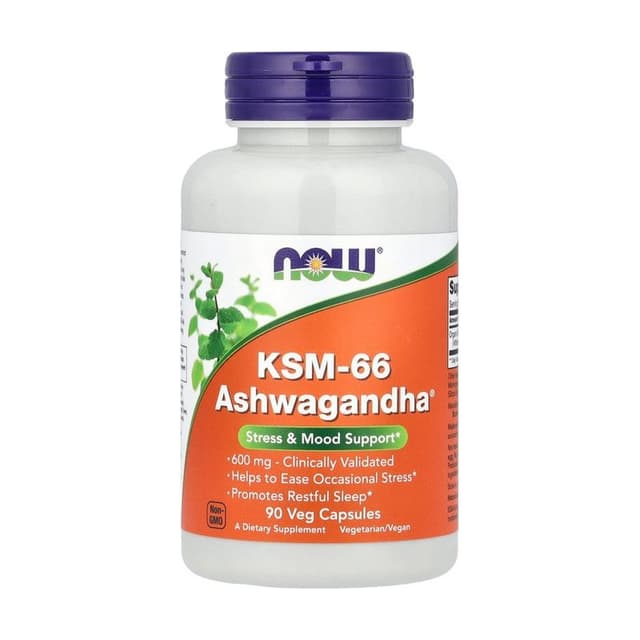
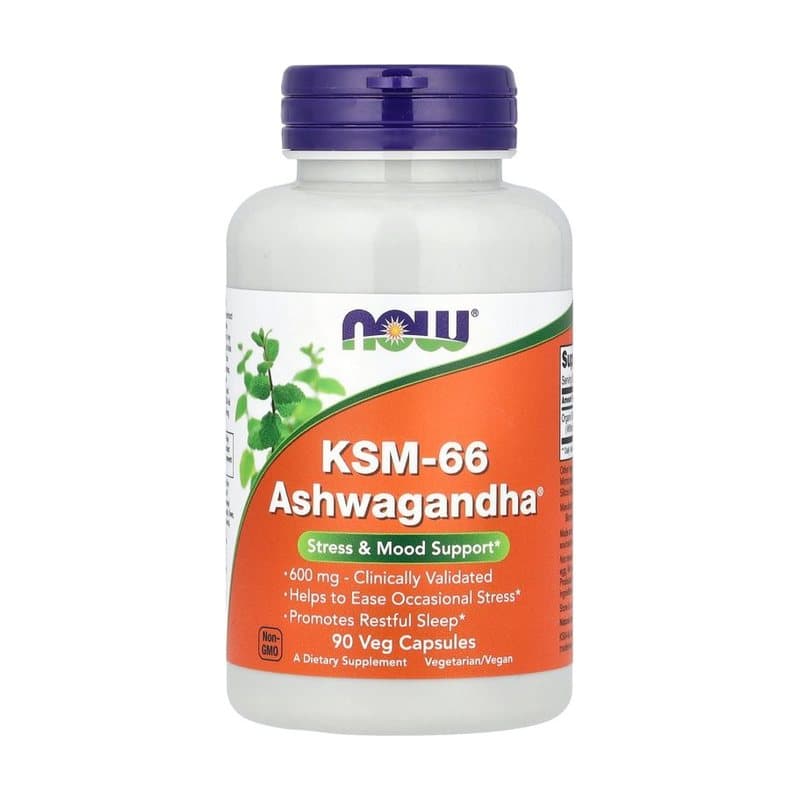
| NOW Foods KSM-66 Ashwagandha · 600 mg · 90 Veg Capsules | Vitacost | $0.21 |
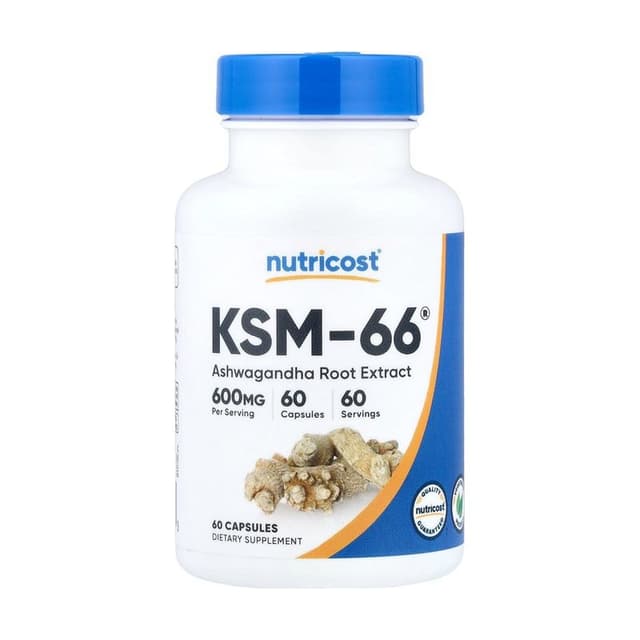
| Nutricost KSM-66, Ashwagandha Root Extract · 60 Capsules | Vitacost | $0.27 |
| Transparent Labs KSM-66 Ashwagandha · 60 Servings | Transparent Labs | $0.33 |
Prices checked November 7, 2026. Store prices change; the price at checkout is final. See the full ashwagandha list
For how the extract differs from plain root powder, see KSM-66 vs root powder.
Frequently asked questions
Is ashwagandha safe to take every day?
NCCIH says it may be safe for up to three months. Longer-term safety is not well studied, so check with a doctor if you plan to take it for longer.
Can ashwagandha hurt your liver?
Rare cases of liver injury have been reported, with jaundice starting 2 to 12 weeks after people began taking it. Stop and see a doctor if you notice yellow skin or eyes or unusual itching.
Can I take ashwagandha while pregnant?
NCCIH says ashwagandha should be avoided during pregnancy and should not be used while breastfeeding.
Can I take ashwagandha with thyroid medication?
Ask your doctor first. Ashwagandha changed thyroid hormone levels in a trial, and NCCIH says it may interact with thyroid hormone medicine.
What are the most common side effects of ashwagandha?
Drowsiness, stomach upset, diarrhea and vomiting are the ones NCCIH lists.
Sources
- NCCIH: Ashwagandha (opens in a new tab)
- Ashwagandha-induced liver injury: a case series from Iceland and the US Drug-Induced Liver Injury Network (Björnsson et al., 2020) (opens in a new tab)
- Efficacy and safety of ashwagandha root extract in subclinical hypothyroid patients (Sharma et al., 2018) (opens in a new tab)
- Effect of ashwagandha extract on sleep: systematic review and meta-analysis (Cheah et al., 2021) (opens in a new tab)
Every price on the list is worked out the same way, and checked daily.
See the ashwagandha (KSM-66) price comparisonCheaper alternatives to Goli ashwagandhaGoli vs Micro Ingredients ashwagandha
This is general information about prices and labels, not medical advice. Ask a doctor or pharmacist before starting a supplement, especially if you are pregnant, take medication, or have a health condition. These statements have not been evaluated by the Food and Drug Administration, and no supplement here is intended to diagnose, treat, cure, or prevent any disease. We don't sell the products; how we make money.