Zinc guide
Zinc for colds: do lozenges work, and how much is too much?
What the 2024 Cochrane review and lozenge trials found on zinc for colds, the doses used, why nasal zinc is out, the 40 mg limit, and daily zinc cost.
Zinc for colds is one of the oldest supplement questions, and one of the most argued. The research is real but messy. The doses in cold trials are also very different from a daily zinc capsule.
What the research found
In 2024, Cochrane, which publishes independent reviews of medical evidence, looked at 34 trials of zinc for preventing or treating the common cold. Most used lozenges.
For treatment, zinc may shorten colds by about two days compared with placebo (8 studies, 972 people). The review rated that evidence low certainty. People taking zinc also reported more mild side effects, mostly taste changes and stomach upset.
For prevention, the result was weaker. Taking zinc regularly may make little or no difference to whether you catch a cold (9 studies, 1,449 people).
The NIH Office of Dietary Supplements reads the evidence the same way. Zinc lozenges or syrups taken early in a cold appear to shorten it, but do not clearly make symptoms milder.
Why researchers still argue
Some researchers say the Cochrane estimate undersells lozenges. In a 2024 critique, Harri Hemilä and Elizabeth Chalker pointed out that the main analysis pooled lozenge trials with nasal zinc trials. One lozenge trial gave 190 mg of zinc a day and one nasal trial gave 0.046 mg.
When they re-ran the numbers with lozenge trials in adults only, colds were 37% shorter on average. Their earlier work found that lozenges providing more than 75 mg of zinc a day shortened colds by about a third.
Both readings agree on the direction. The disagreement is about how big the effect is and which trials belong together.
Lozenges vs capsules
The idea behind lozenges is that zinc released in the mouth and throat acts locally. That only works if the lozenge actually releases zinc. Hemilä and Chalker note that some lozenges contain citric acid or other ingredients that bind zinc, which may explain why some trials found nothing.
Trials with positive results mostly used:
- Lozenges dissolved slowly, not chewed or swallowed
- Zinc acetate or zinc gluconate
- Around 80 to 92 mg of zinc a day in total, spread across the day
- A start soon after the first symptoms
- Use only while the cold lasted
In one zinc acetate trial described by the NIH, adults took a 13.3 mg lozenge every 2 to 3 waking hours, starting within 24 hours of their first symptoms. Their colds were about 3 days shorter than with placebo.
A swallowed zinc tablet works differently and has less direct evidence for colds.
How much is too much
| Zinc per day | |
|---|---|
| RDA, adult men | 11 mg |
| RDA, adult women | 8 mg |
| Upper limit, adults | 40 mg |
| Lozenge trials for colds | often over 75 mg, short term |
Figures from the NIH Office of Dietary Supplements and the trials above.
The upper limit is for regular intake. The trials used more than that for a week or two at most. Even then, side effects are common: nausea, a bad or metallic taste, and mouth irritation. If you take zinc on an empty stomach, nausea is more likely. See zinc nausea: which zinc to buy.
The bigger risk is staying on a high dose. The NIH notes that 50 mg of zinc or more a day for weeks can block copper absorption and lower immune function.
Skip zinc nasal sprays and gels
By 2009 the FDA had received more than 130 reports of people losing their sense of smell after using Zicam intranasal zinc products. Nasal zinc is a different product from a lozenge or a tablet, and the trials above do not make it worth the risk.
Daily zinc: what it costs
If you take zinc every day for general health, a smaller dose is easier on the stomach. Adults need 8 to 11 mg a day, and many people get that from food. A 15 mg dose with a meal stays well under the 40 mg limit.
The number to check is elemental zinc on the Supplement Facts panel, not the weight of the compound. More on that in how to read a supplement facts label.
Our zinc list prices tablets and capsules per 15 mg of elemental zinc. It does not include cold lozenges.
| Product | Store | Per 15 mg elemental | vs Thorne |
|---|---|---|---|
| PureBulk Zinc Bis-Glycinate · 300ct 200mg Gel. Caps. | PureBulk | $0.029 | 83% less |
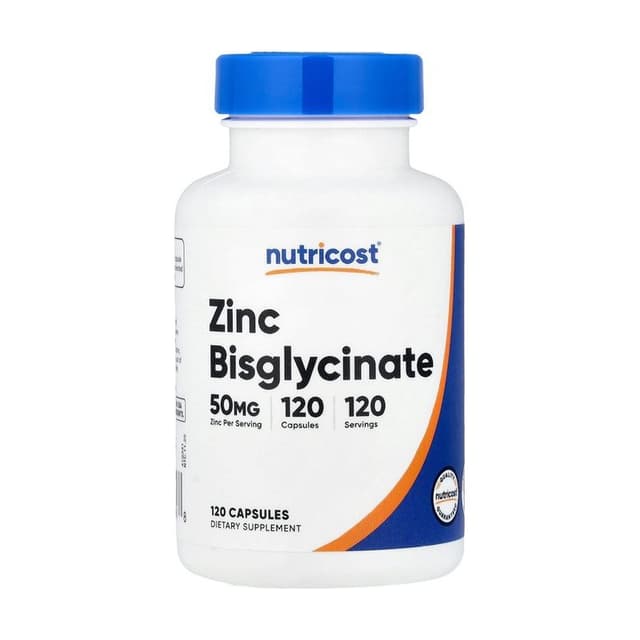
| Nutricost Zinc Bisglycinate · 50 mg · 120 Capsules | Vitacost | $0.030 | 82% less |
| Healthy Origins Zinc Bisglycinate Chelate | Swanson | $0.037 | 78% less |
| Thorne Zinc Bisglycinate · 30 mg · 60 Capsules popular brand | Vitacost | $0.17 | — |
Prices checked November 7, 2026. Store prices change; the price at checkout is final. See the full zinc list
Who should be careful
- People taking quinolone or tetracycline antibiotics, or penicillamine: zinc can interfere with absorption, so ask a pharmacist how to space the doses.
- People on high-dose zinc for weeks or longer: ask a doctor about copper.
- Children and pregnant people: ask a doctor before using high-dose lozenges. The adult lozenge results have not been shown in children.
Frequently asked questions
Do zinc lozenges help a cold?
They may shorten it when started early. A 2024 Cochrane review estimated colds were about two days shorter with zinc, based on low-certainty evidence.
How much zinc should I take for a cold?
Positive lozenge trials often used more than 75 mg of zinc a day, split across the day, for no more than a week or two. That is above the 40 mg long-term upper limit, so stop when the cold ends and ask a doctor if unsure.
Is zinc nasal spray safe?
It is not worth the risk. By 2009 the FDA had more than 130 reports of lost sense of smell linked to Zicam intranasal zinc products.
Can zinc prevent colds?
Probably not much. The 2024 Cochrane review found zinc may make little or no difference to the chance of catching a cold.
Do zinc tablets work as well as lozenges for colds?
There is less evidence for swallowed zinc. The theory and most of the positive trials involve lozenges dissolved slowly in the mouth.
Sources
- Cochrane: Zinc for prevention and treatment of the common cold (Nault et al., 2024) (opens in a new tab)
- Cochrane plain-language summary: zinc for the common cold (opens in a new tab)
- Shortcomings in the Cochrane review on zinc for the common cold (Hemilä and Chalker, 2024) (opens in a new tab)
- NIH Office of Dietary Supplements: Zinc fact sheet (opens in a new tab)
- FDA: Drug products labeled as homeopathic, guidance (Zicam anosmia reports) (opens in a new tab)
Every price on the list is worked out the same way, and checked daily.
See the zinc price comparisonCheaper alternatives to Thorne zinc (glycinate)Cheaper alternatives to Nature's Bounty zinc (other forms)Thorne vs PureBulk zinc glycinateNature's Bounty vs 21st Century zinc other forms

This is general information about prices and labels, not medical advice. Ask a doctor or pharmacist before starting a supplement, especially if you are pregnant, take medication, or have a health condition. These statements have not been evaluated by the Food and Drug Administration, and no supplement here is intended to diagnose, treat, cure, or prevent any disease. We don't sell the products; how we make money.