Vitamin D3 guide
Vitamin D3 drops vs softgels: absorption, dose and cost
Vitamin D3 drops and softgels often both carry D3 in oil. How they compare on absorption, how exact a drop is, and how to work out the cost per 2,000 IU.
Vitamin D3 is one of the cheapest supplements per dose, and bottles come in a wide range of strengths: 1,000 IU, 2,000 IU, 5,000 IU softgels, and drops from a few hundred to thousands of IU per drop. Our vitamin D3 list prices softgels, tablets and capsules per 2,000 IU (50 mcg). It does not track drops.
Are vitamin D3 drops absorbed better than softgels?
Not in any way that has been shown. A 2010 systematic review in Molecular Nutrition and Food Research found four clinical studies that compared vitamin D in two different carriers. In healthy people, vitamin D in oil produced a bigger rise in blood 25(OH)D than vitamin D in powder or in ethanol. The authors noted that few studies have looked at this. Many drops and softgels dissolve the D3 in an oil, such as MCT, olive or coconut oil, so they sit on the same side of that comparison. Check the ingredients list to see which carrier yours uses.
Vitamin D is fat-soluble. The NIH Office of Dietary Supplements notes that fat in the gut helps absorption, though some is absorbed without it. Taking either form with a meal that contains some fat is a sensible habit.
Which is more accurate, drops or softgels?
Softgels. Each one holds a fixed, labeled dose. With drops, the dose depends on the drop size and on counting, and it is easy to take more than you meant to.
That matters most for infants. In February 2024 Nordic Naturals recalled one lot of its Baby's Vitamin D3 Liquid, labeled 400 IU (10 mcg), because a manufacturing error made it stronger than labeled. The recall notice, posted by the FDA, said prolonged use could lead to elevated vitamin D levels in infants. For babies, use only the dropper or dosing method that comes with the product, and follow a pediatrician's advice on the dose.
How do I compare the cost of drops and softgels?
Use the price per 2,000 IU. For softgels and tablets, the list does it for you:
| Product | Store | Per 2,000 IU | vs Nature Made |
|---|---|---|---|
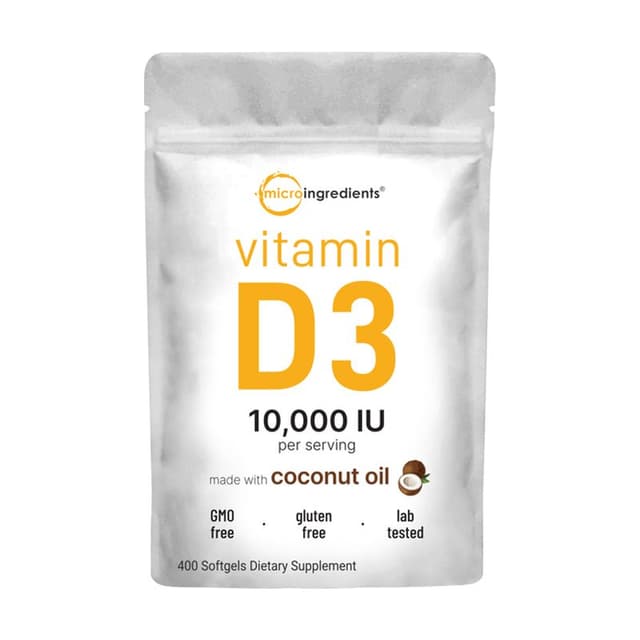
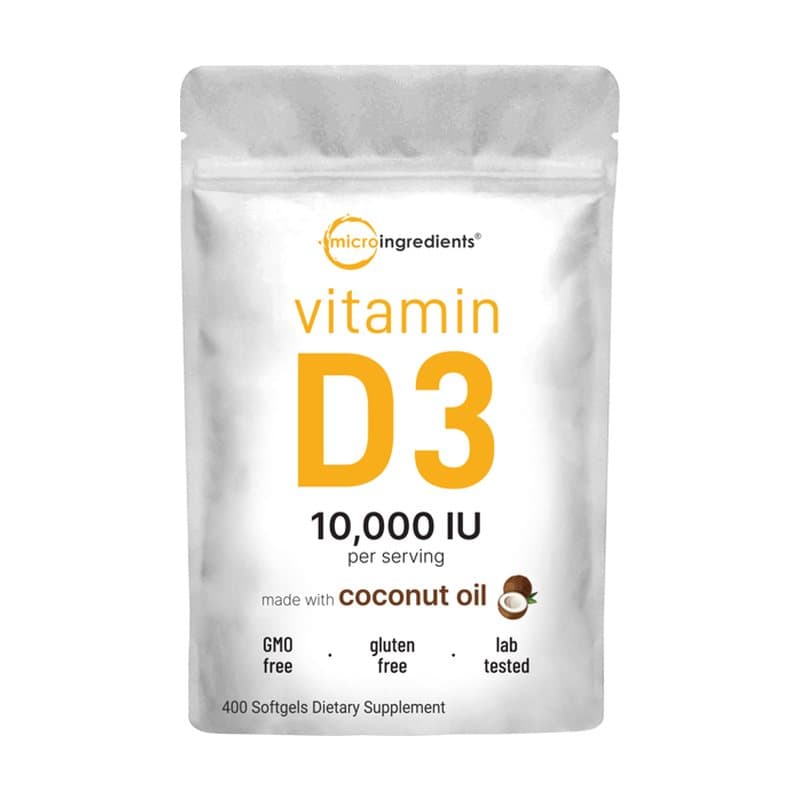
| Micro Ingredients Vitamin D3 10,000 IU · 400 Softgels | Micro Ingredients | $0.011 | 88% less |
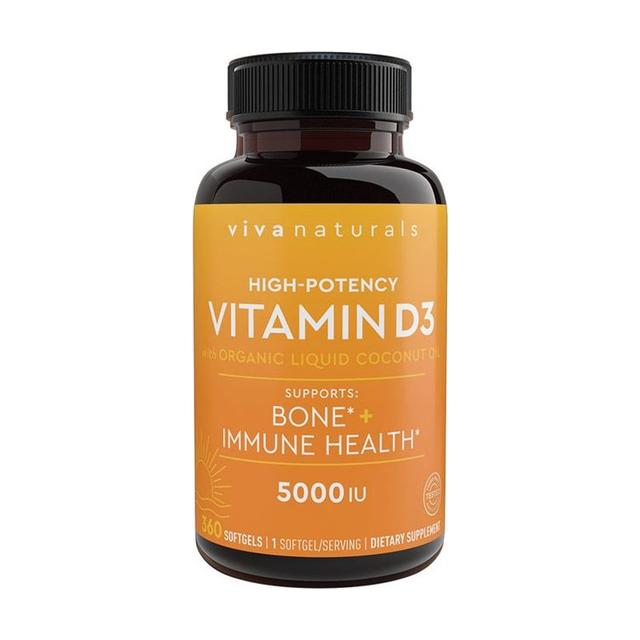
| Viva Naturals Vitamin D3 · 360 Softgels | Viva Naturals | $0.011 | 88% less |
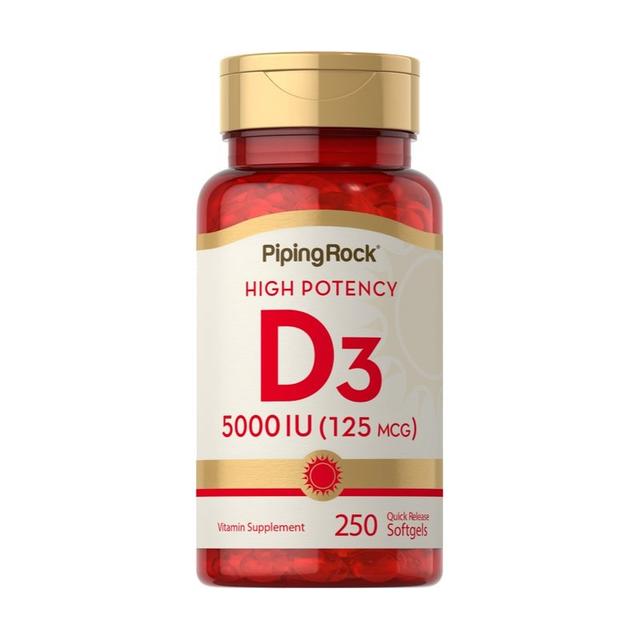
| Piping Rock High Potency Vitamin D3 · 5000 IU · 250 Quick Release Softgels | Piping Rock | $0.015 | 84% less |
| Healthy Origins Vitamin D3 · 125 mcg · 360 Softgels | Vitacost | $0.015 | 84% less |
| NatureWise Vitamin D3 · 5000 IU · 360 Count | NatureWise | $0.017 | 82% less |
| Nature Made Vitamin D3 2000 IU Softgels · 250 softgels popular brand | Nature Made | $0.095 | — |
Prices checked November 7, 2026. Store prices change; the price at checkout is final. See the full vitamin d3 list
For drops, work it out from the label:
- Find the IU per drop (or per serving, and how many drops make a serving).
- Find the number of servings or drops in the bottle.
- Multiply to get total IU in the bottle, divide by 2,000, and divide the price by that number.
| Drops label | Drops for 2,000 IU |
|---|---|
| 400 IU per drop | 5 |
| 1,000 IU per drop | 2 |
| 2,000 IU per drop | 1 |
| 5,000 IU per drop | Less than 1; not practical for 2,000 IU |
Worked examples; check your bottle's label.
Many of the cheapest rows on the list are 5,000 IU or 10,000 IU softgels, priced per 2,000 IU so every row compares on the same unit. You cannot split a softgel, so check the strength per pill before you buy. In practice, plain D3 softgels are usually among the cheapest ways to buy vitamin D per 2,000 IU. Drops can be competitive when each drop is strong, but the per-dose savings are small either way.
How much vitamin D3 should adults take?
The RDA for adults is 600 IU (15 mcg) a day, and 800 IU (20 mcg) over age 70. The upper limit for adults is 4,000 IU (100 mcg) a day unless a doctor advises more. The 2,000 IU unit on our list is a price unit, not a dose recommendation. For more on choosing a strength, see vitamin D3: 2,000 or 5,000 IU?.
Ask a doctor before taking vitamin D if you have kidney disease or high blood calcium, or take a thiazide diuretic. The NIH notes that thiazides combined with vitamin D might lead to high blood calcium, especially in older adults and people with reduced kidney function.
When do drops make sense?
- Children and infants, with a dose set by a pediatrician.
- People who cannot swallow pills.
- Small or adjustable doses, such as splitting a weekly total.
For most adults taking a steady daily dose, a softgel is simpler, more exact and very cheap. If you also want K2, see vitamin D3 with K2.
Frequently asked questions
Are vitamin D3 drops better than softgels?
Not generally. Both often carry D3 in oil, which a systematic review found raised blood levels more than powder or ethanol forms. Softgels give a more exact dose.
How many drops of vitamin D3 equal 2,000 IU?
It depends on the strength per drop. At 400 IU per drop it is five drops; at 1,000 IU per drop it is two. Check your label.
Are vitamin D3 drops cheaper than softgels?
Sometimes, when each drop is strong. Plain D3 softgels are usually among the cheapest options per 2,000 IU.
Should I take vitamin D with food?
Vitamin D is fat-soluble, and fat in the gut helps absorption. Taking it with a meal that contains some fat is a sensible habit with drops or softgels.
Sources
- NIH Office of Dietary Supplements: Vitamin D fact sheet (opens in a new tab)
- Evaluation of vehicle substances on vitamin D bioavailability: a systematic review (Grossmann & Tangpricha, 2010) (opens in a new tab)
- FDA: Nordic Naturals recalls Baby's Vitamin D3 Liquid due to elevated levels of vitamin D3 (2024) (opens in a new tab)
Every price on the list is worked out the same way, and checked daily.
See the vitamin D3 price comparisonCheaper alternatives to Nature Made vitamin D3Nature Made vs Micro Ingredients vitamin D3
This is general information about prices and labels, not medical advice. Ask a doctor or pharmacist before starting a supplement, especially if you are pregnant, take medication, or have a health condition. These statements have not been evaluated by the Food and Drug Administration, and no supplement here is intended to diagnose, treat, cure, or prevent any disease. We don't sell the products; how we make money.