Creatine monohydrate guide
Creatine for women: dose, benefits, water weight and safety
What research says about creatine for women, the 3 to 5 g dose, water weight and bloating, pregnancy caution, and how to compare women's creatine on price.
Creatine was studied mostly in young men for decades, which is why many women assume it is not for them. That has changed.
What the research says
A 2021 review in Nutrients by Smith-Ryan and colleagues looked at creatine across a woman's lifespan. Among its conclusions:
- Women tend to have lower creatine stores than men, which may make supplementation relevant. The 2025 follow-up review below cites reports of about 20% lower creatine synthesis and 30 to 40% lower dietary creatine intake in women.
- In premenopausal women, creatine improved strength and exercise performance in many studies.
- In postmenopausal women, higher doses (about 0.3 g per kg of body weight a day) showed benefits for muscle size and function, and creatine combined with resistance training showed favorable effects on bone.
- Early evidence suggests possible benefits for mood and cognition, with more research needed.
Two of the review's authors disclosed that they advise Alzchem, a creatine maker. On safety, the International Society of Sports Nutrition's position stand concludes that short- and long-term use is safe and well tolerated in healthy people, and that the only consistently reported side effect is weight gain.
A 2025 brief review in the Journal of the International Society of Sports Nutrition, led by the same first author, covered menstruation, pregnancy and menopause. It called creatine a promising strategy across a woman's lifespan, and noted that data in perimenopausal women are still lacking and that research in pregnancy has been mostly in animals.
The dose
Same as for men: 3 to 5 g of creatine monohydrate a day, every day. A loading phase (about 0.3 g per kg of body weight a day, roughly 20 g, for 5 to 7 days) is optional and is the main cause of bloating and quick water gain. Skip it if that worries you. See do you need to load creatine?.
Water weight and bloating
Creatine draws water into muscle, so some people see the scale go up in the first weeks, especially when loading. That is water held in muscle, not fat. Taking 3 to 5 g a day without loading fills muscle more gradually, over about 3 to 4 weeks, so the change is slower. More in creatine side effects.
Pregnancy, breastfeeding and kidney health
There is scientific interest in creatine during pregnancy, and the 2025 review is optimistic about it. But most of that research is in animals, and human studies are only starting. That is not enough to recommend it. Ask your doctor or midwife before taking it while pregnant or breastfeeding. Anyone with kidney disease, or who takes medicine that affects the kidneys, should also check with a doctor first.
"Women's creatine" vs regular creatine
Products marketed to women often contain creatine monohydrate, sometimes with a flavor or small amounts of other ingredients. If the label says creatine monohydrate, the creatine is the same compound found in any plain tub. Check the Supplement Facts panel for grams of creatine per serving, then compare by price per 5 g:
| Product | Store | Per 5 g | vs Momentous |
|---|---|---|---|
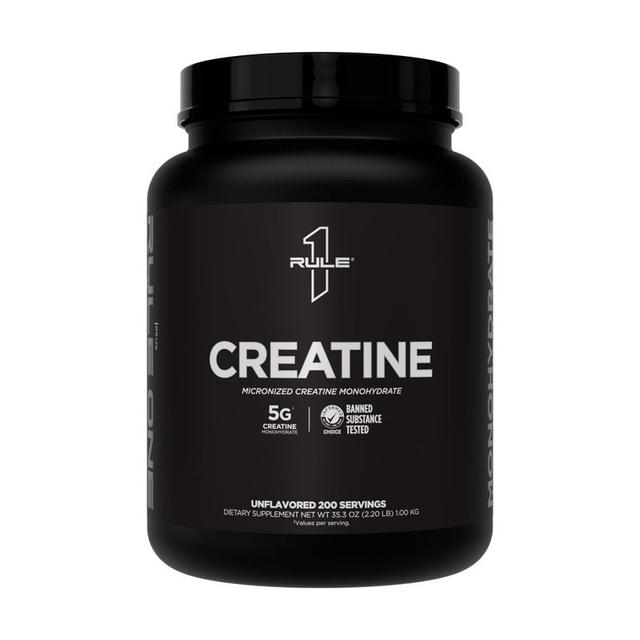
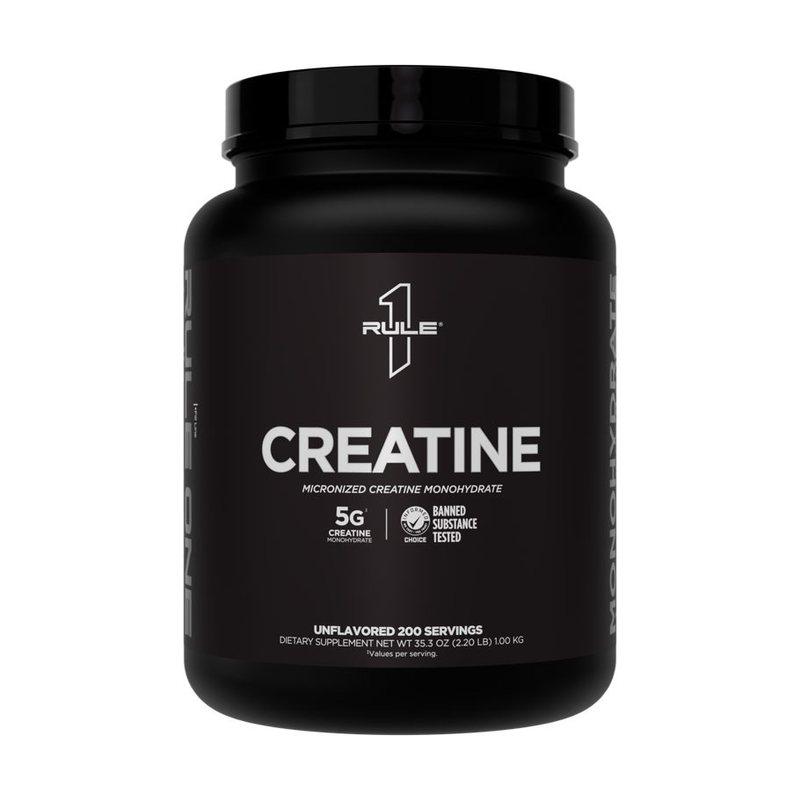
| Rule 1 Creatine · Unflavored · 200 Servings | Rule 1 | $0.09 | 81% less |
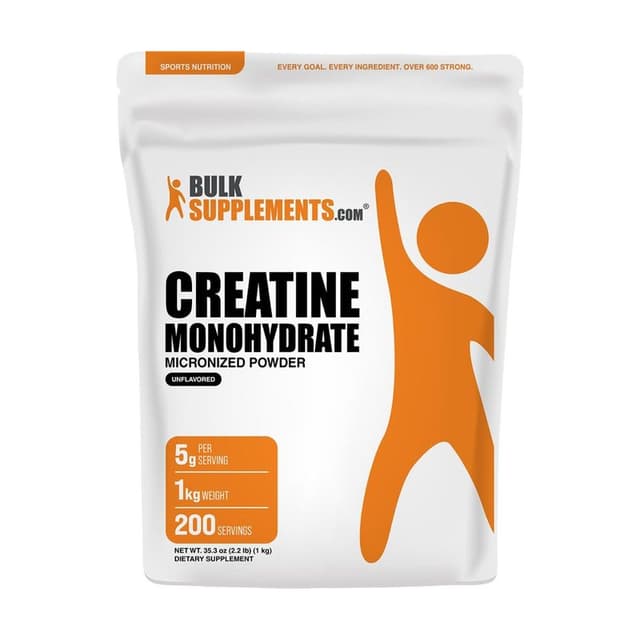
| BulkSupplements Creatine Monohydrate (Micronized) Powder · 1 Kilogram | BulkSupplements | $0.15 | 69% less |
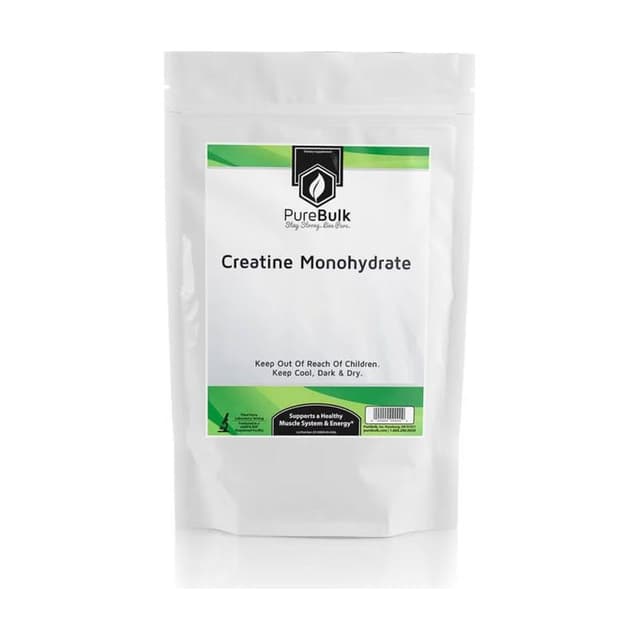
| PureBulk Creatine Monohydrate Powder (Micronized) · 1.5 kilograms | PureBulk | $0.15 | 69% less |
| Momentous Creatine · Unflavored popular brand | Momentous | $0.48 | — |
Prices checked November 7, 2026. Store prices change; the price at checkout is final. See the full creatine list
Every tub on the creatine price list is priced the same way. For a ranked shortlist, see best creatine monohydrate in 2026.
Gummies
Creatine gummies are heavily marketed to women and cost several times more per 5 g than powder. In 2024, independent lab tests reported that some popular gummies contained far less creatine than labeled, or none. See are creatine gummies worth it?.
Frequently asked questions
Is creatine good for women?
Yes, for strength and training performance. Research reviews also suggest possible benefits for bone with resistance training and for mood, with more study needed.
How much creatine should a woman take?
3 to 5 g of creatine monohydrate a day. Loading is optional.
Will creatine make women bulky?
No. Early weight gain is water in muscle. Muscle growth depends on training and diet.
Can I take creatine while pregnant?
There is not enough trial data to recommend it. Ask your doctor or midwife.
Is women's creatine different?
Usually not. Most contain creatine monohydrate, the same compound as plain powder. Compare by grams of creatine per serving and price per 5 g.
Sources
- Creatine supplementation in women's health: a lifespan perspective (Smith-Ryan et al., Nutrients, 2021) (opens in a new tab)
- Creatine in women's health: bridging the gap from menstruation through pregnancy to menopause (Smith-Ryan et al., JISSN, 2025) (opens in a new tab)
- ISSN position stand: creatine supplementation and exercise (Kreider et al., 2017) (opens in a new tab)
Every price on the list is worked out the same way, and checked daily.
See the creatine monohydrate price comparisonCheaper alternatives to Momentous creatineCheaper alternatives to Bare Performance Nutrition creatineMomentous vs Rule 1 creatineBare Performance Nutrition vs Rule 1 creatineNutricost vs BulkSupplements creatine
This is general information about prices and labels, not medical advice. Ask a doctor or pharmacist before starting a supplement, especially if you are pregnant, take medication, or have a health condition. These statements have not been evaluated by the Food and Drug Administration, and no supplement here is intended to diagnose, treat, cure, or prevent any disease. We don't sell the products; how we make money.