Magnesium glycinate guide
Best magnesium glycinate 2026: top 5 per 100 mg elemental
The best-value magnesium glycinate right now, ranked by cost per 100 mg of elemental magnesium, plus the best powder and softgel and the label traps to avoid.
Magnesium glycinate is where label tricks cost people the most. "400 mg" on the front can mean 400 mg of compound (about 56 mg of magnesium) or 400 mg of magnesium. Oxide can be blended in without much fanfare. So this ranking only counts one number: elemental magnesium.
The top 5 magnesium glycinate picks today
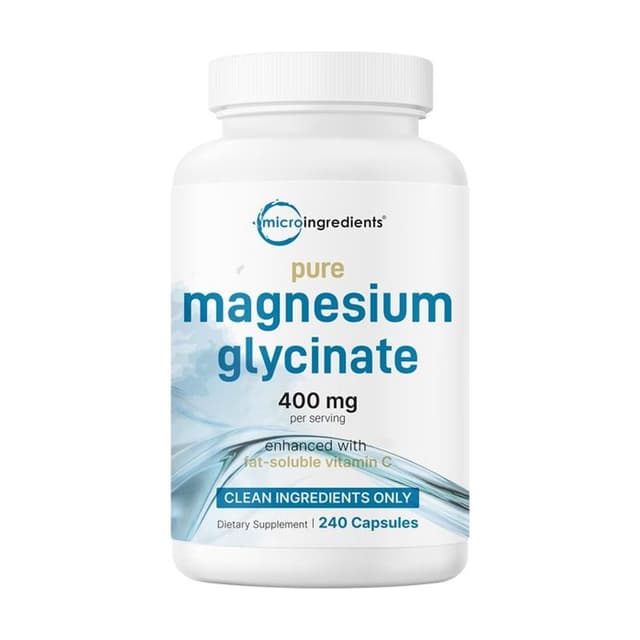
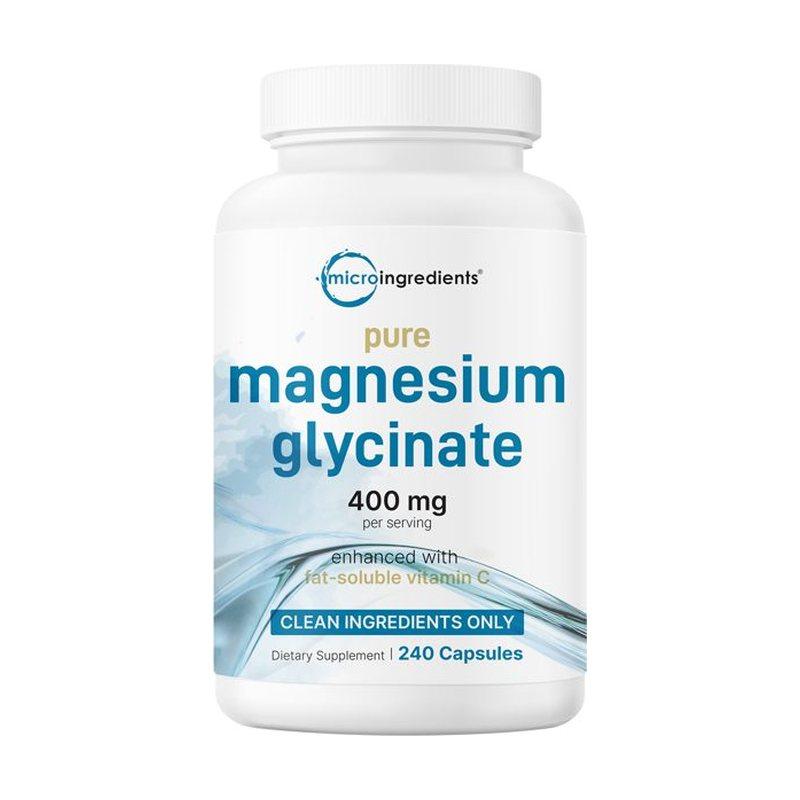
1. Best value: Micro Ingredients
Pure Magnesium Glycinate 400mg Per Serving · 240 Capsules
The lowest price per 100 mg elemental on the list today.
$0.06 per 100 mg elemental
73% less than Pure Encapsulations
at Micro Ingredients
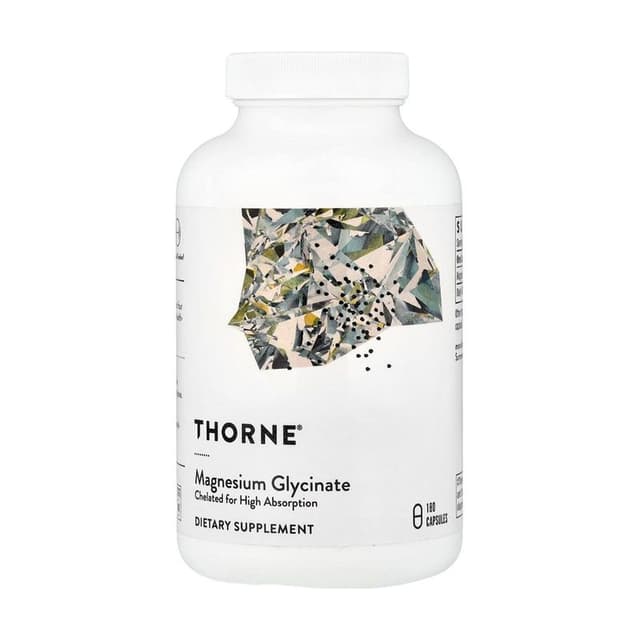
2. Best third-party tested: Thorne
Magnesium Glycinate · 180 Capsules · NSF Contents Certified
NSF Contents Certified, listed in the certifier's own database. The cheapest tested option per serving.
$0.21 per 100 mg elemental
5% less than Pure Encapsulations
at Vitacost
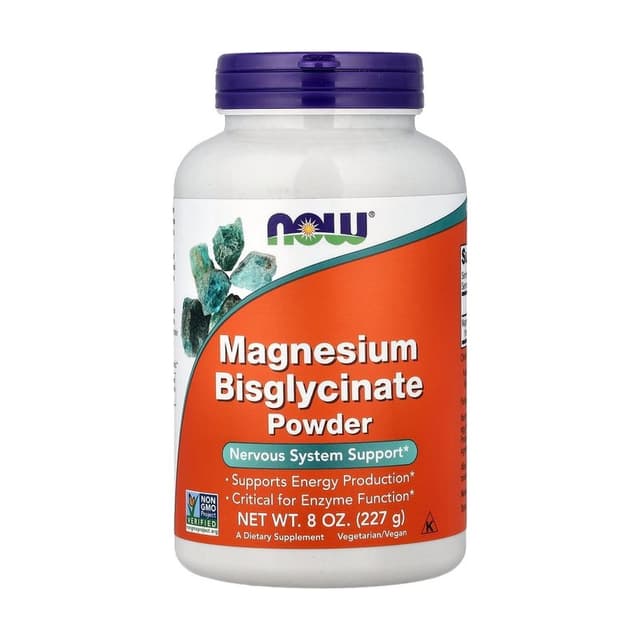
3. Best powder: NOW Foods
Magnesium Bisglycinate Powder · 8 oz
The cheapest per serving among powders.
$0.06 per 100 mg elemental
73% less than Pure Encapsulations
at Vitacost
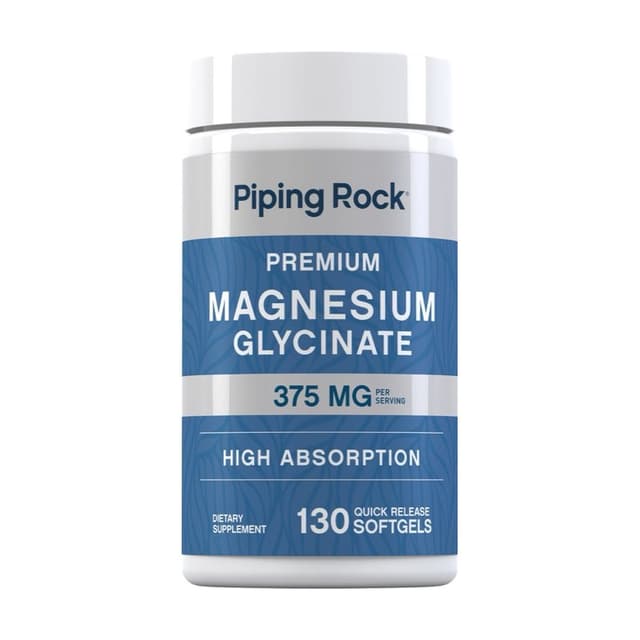
4. Best softgel: Piping Rock
Magnesium Glycinate · 375 mg · 130 Quick Release Softgels
The cheapest per serving among softgels.
$0.07 per 100 mg elemental
68% less than Pure Encapsulations
at Piping Rock
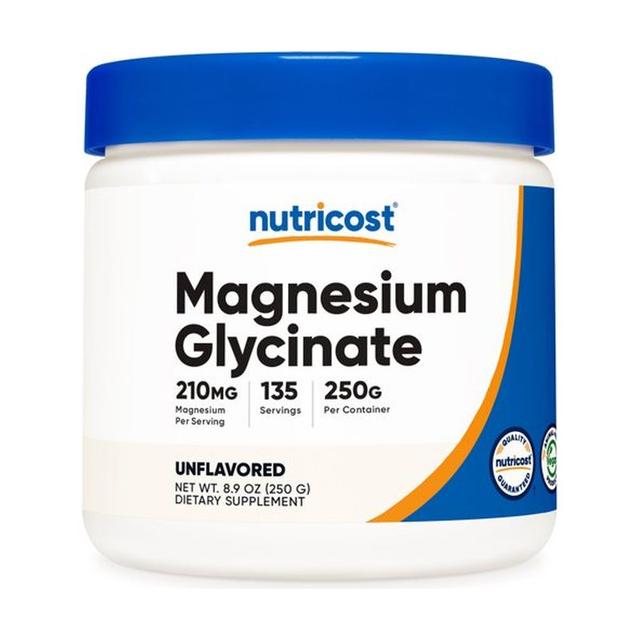
5. Runner-up: Nutricost
Magnesium Glycinate Powder · Unflavored
One of the lowest prices per 100 mg elemental on the list today.
$0.08 per 100 mg elemental
64% less than Pure Encapsulations
at Nutricost
Ranked from prices checked November 7, 2026. Rankings update with the list every day; the store's price at checkout is final. See every magnesium price
How these picks are chosen
Our magnesium list includes glycinate and bisglycinate only, and only when the store page states the elemental magnesium. Oxide and blends stay off. Every product is priced per 100 mg of elemental magnesium.
- Best value: the lowest price per 100 mg today.
- Best third-party tested: the cheapest bottle whose store page names a seal such as NSF or USP.
- Best powder / softgel / capsule: the cheapest in each form, when the list mixes forms.
- Runner-ups: the next lowest prices.
Only products cheaper per 100 mg than Pure Encapsulations, the practitioner brand we compare against, qualify.
What the front label can mean
| Front of the bottle says | Magnesium you get |
|---|---|
| 400 mg magnesium glycinate (compound) | about 56 mg |
| 1,000 mg magnesium glycinate (compound) | about 140 mg |
| 200 mg magnesium (as bisglycinate) | 200 mg |
Compound figures are approximate and assume pure bisglycinate at about 14% magnesium.
The same "400 mg" can be a several-fold difference in what you swallow. That is why the list and the picks above only use the elemental number from the Supplement Facts panel.
Three label checks before you buy
- Elemental amount on the back. The Supplement Facts panel should say Magnesium (as magnesium bisglycinate) 200 mg. That 200 mg is magnesium.
- No oxide in the parentheses. (as magnesium bisglycinate, magnesium oxide) is a blend. Pure bisglycinate is only about 14% magnesium by weight, so a powder that implies 20% or more likely has oxide mixed in (often sold as "buffered").
- Serving size. Most glycinate capsules on our list hold about 105 to 135 mg of magnesium each, so 200 mg takes about two. Count them when you compare.
The full explanation is in magnesium glycinate label math. For other supplements, see how to read a Supplement Facts label.
Capsules or powder?
Powder is usually cheaper per 100 mg and easy to dose precisely, but it tastes bitter to many people. Capsules are convenient but big, because glycinate is bulky. Softgels are less common. Price per 100 mg decides value; the form decides whether you will keep taking it.
How much to take
The upper limit for magnesium from supplements is 350 mg a day for adults, per the NIH Office of Dietary Supplements. Stay at or under it unless a doctor advises more. Higher doses often cause diarrhea, sometimes with nausea and cramps. A 100 to 200 mg elemental dose sits well under the limit. Poor kidney function raises the risk of magnesium building up, so people with kidney disease should ask a doctor first, as should anyone taking prescription medicines. For how glycinate compares with other forms, see magnesium glycinate vs citrate.
When to pay more
Practitioner brands such as Pure Encapsulations and Thorne cost more per 100 mg. Some people pay extra for an allergen-focused formula, a third-party seal, or a brand they already trust. The Thorne bottle on our list, for example, is NSF Contents Certified. That can be worth paying for. It does not change the magnesium.
Frequently asked questions
What is the best magnesium glycinate in 2026?
Pure glycinate or bisglycinate with the elemental amount stated, at the lowest price per 100 mg of magnesium. The picks above are ranked from today's prices.
How do I know if my magnesium glycinate is buffered?
Check the parentheses on the Supplement Facts panel. If magnesium oxide is listed, it is a blend. A magnesium content above about 14% of the ingredient weight also signals oxide.
Is magnesium glycinate powder or capsules better?
They are the same compound. Powder is usually cheaper per 100 mg; capsules are more convenient.
How much magnesium glycinate should I take?
Adults should stay at or under 350 mg of supplemental magnesium a day unless a doctor advises more. A 100 to 200 mg elemental dose fits well under that limit.
Sources
Every price on the list is worked out the same way, and checked daily.
See the magnesium glycinate price comparisonCheaper alternatives to Pure Encapsulations magnesiumCheaper alternatives to Thorne magnesiumCheaper alternatives to Nature Made magnesiumPure Encapsulations vs Micro Ingredients magnesiumThorne vs Micro Ingredients magnesiumNature Made vs Micro Ingredients magnesium
This is general information about prices and labels, not medical advice. Ask a doctor or pharmacist before starting a supplement, especially if you are pregnant, take medication, or have a health condition. These statements have not been evaluated by the Food and Drug Administration, and no supplement here is intended to diagnose, treat, cure, or prevent any disease. We don't sell the products; how we make money.