Buying guide
How to compare supplement prices per serving
The sticker price is the package, not the serving. How to work out the real cost per dose for creatine, fish oil, magnesium and more.
A large tub can look cheap. A small bottle can look expensive. The sticker is the package. It is not the serving.
The formula
Price per serving = price ÷ (total active ingredient in the container ÷ one serving)
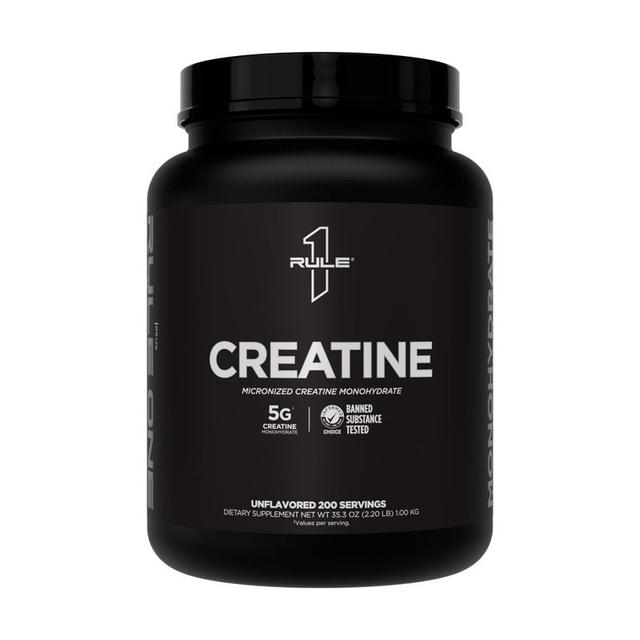
Example: a $30 bag of creatine holds 1,000 g. At 5 g a serving, that is 200 servings, so $0.15 per serving. A $25 jar of 300 g is 60 servings, or $0.42 per serving. The "cheaper" jar costs almost three times more per dose.
Why the label "serving" is not enough
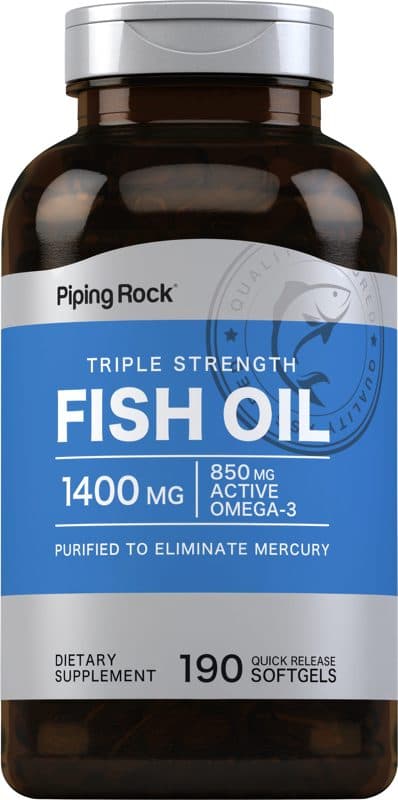
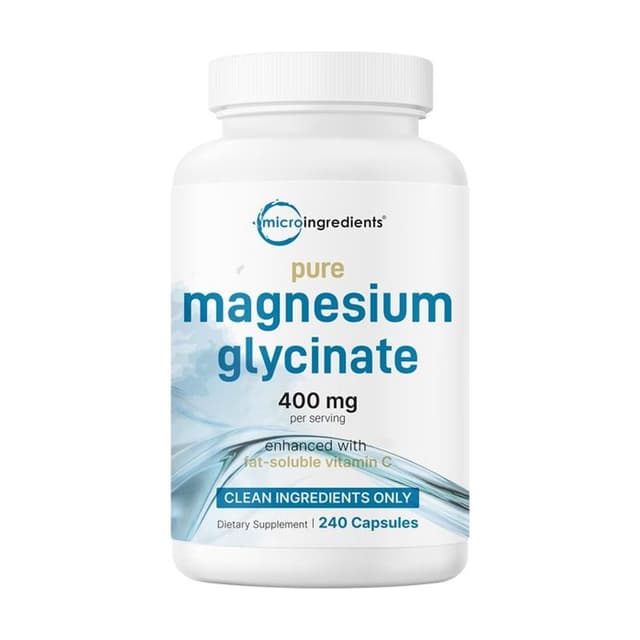
Brands pick their own serving sizes. One magnesium bottle calls two capsules a serving; another calls three. One fish oil lists 1,000 mg of oil; another lists 1,000 mg of EPA + DHA. Comparing "servings" compares their choices, not what you take.
So each of our lists uses one fixed amount of the active ingredient:
| List | Priced per | Why that amount |
|---|---|---|
| Creatine | 5 g monohydrate | The common daily dose in studies |
| Fish oil | 1 g EPA + DHA | Counts omega-3s, not total oil |
| Magnesium glycinate | 100 mg elemental | Counts magnesium, not the glycinate compound |
| Zinc | 15 mg elemental | A moderate daily dose |
| Vitamin D3 | 2,000 IU | A common supplement dose |
| Melatonin | 1 mg | A unit for comparing, not a dose recommendation |
| Whey isolate | 25 g protein | Counts protein, not scoop weight |
| Collagen | 10 g | A common daily amount |
| Caffeine pills | 200 mg | The standard tablet |
| Psyllium | 5 g fiber | Counts fiber, not powder weight |
| Electrolytes | 500 mg sodium | Sodium is the main electrolyte |
A product goes on a list only when the store's own page states the dose and how many of those servings are in the package. If the page does not say, the product stays off.
Three label traps
- Compound vs element. "500 mg magnesium glycinate" is about 70 mg of magnesium. See magnesium glycinate label math.
- Oil vs omega-3. "1,000 mg fish oil" is usually about 300 mg EPA + DHA. See how to read EPA + DHA.
- Scoop vs protein. A 40 g scoop might be 24 g of protein. See whey isolate vs concentrate.
Why cheaper does not mean worse
For simple ingredients, such as creatine monohydrate, psyllium husk, vitamin D3 or caffeine, the molecule is the same across brands. The price difference is mostly brand, packaging and marketing. Quality checks are what differ, and those are visible when a product names a third-party certificate. See how to tell if a supplement is third-party tested.
Every list starts with a brand people already buy, then shows what costs less per serving. The full rules are on how it works.
Frequently asked questions
How do you calculate price per serving?
Divide the price by the number of servings the container actually holds at a fixed dose of the active ingredient. For example, $30 ÷ (1,000 g ÷ 5 g) = $0.15 per 5 g of creatine.
Is a bigger container always cheaper per serving?
Usually, but not always. Sales on smaller sizes and pricing tiers mean you should check each size. Our lists pick each brand's cheapest size per serving.
Why not compare by price per pill?
Pills hold different amounts. A cheap bottle of low-dose pills can cost more per dose than an expensive bottle of high-dose pills.
This is general information about prices and labels, not medical advice. Ask a doctor or pharmacist before starting a supplement, especially if you are pregnant, take medication, or have a health condition. These statements have not been evaluated by the Food and Drug Administration, and no supplement here is intended to diagnose, treat, cure, or prevent any disease. We don't sell the products; how we make money.